How to get on podcasts as a guest author.
A podcast interview puts you in your reader's ears for half an hour, introduced by a host they already trust. This lesson covers how to get on podcasts as a guest when nobody knows your name yet: the shortlist, the pitch, the mailed book and the follow-up.
What you will do after this lesson
- Build a shortlist of 30 shows your reader already hears.
- Write a pitch that offers a host something specific.
- Set up a simple tracker and a follow-up rhythm you will keep.
Why podcasts suit nonfiction authors
Most nonfiction books are built on stories and ideas that take time to explain. A podcast gives you that time. The host does the introduction, which carries their audience's trust, and the listener hears how you think before they ever open the book. For an author whose book is meant to win clients or talks, that is close to a first meeting.
A podcast tour is not one burst in launch week. Interviews are recorded in the months before launch, air around it, and keep coming through the first year. Plan it as a steady habit: a few pitches every week.
Build the shortlist
Start from your reader, not from the biggest shows. Go back to the one reader from Lesson 1 and the "where they pay attention" box from your one-page plan. Then find shows in four ways:
- Ask readers. Ask five people who fit your reader which shows they listen to. Their answers beat any directory.
- Search by topic. In any podcast app, search your reader's role, industry and problem ("family business," "dental practice," "supply chain").
- Follow your peers. Look up where respected people in your field have been guests. Shows that have hosted someone like you will consider you.
- Look close to home. Associations, alumni groups, local business groups and company shows often run podcasts with smaller, highly relevant audiences.
Before a show goes on the list, check three things: it has published recently, it interviews guests, and its guests are people like you. Listen to at least two episodes. You will need them for the pitch.
Say your book is for owners of family businesses planning a handover. Your tracker might start like this:
| Show | Why it fits | Episode you heard | Pitched | Status |
|---|---|---|---|---|
| A family business association's show | Members are exactly the reader | Episode on sibling partners | Feb 3 | Booked Mar 10 |
| A regional manufacturing podcast | Owners of mid-size plants | Interview with a plant owner who sold | Feb 3 | Follow-up Feb 17 |
| An estate planning attorney's show | Referral partners for your work | Episode on buy-sell agreements | Feb 10 | No reply |
| A general entrepreneurship show | Large, but few listeners are family owners | Not yet | Hold | Later, if at all |
Thirty shows is a good first list. Most of them will be small. That is fine.
Write the pitch
Hosts get a lot of pitches. Most are about the guest. Yours should be about the host's listeners. Keep it under 150 words and make three things clear: you know the show, you have something specific for its audience, and you are easy to work with.
Subject: Guest idea: the 5 decisions to make before your kids take over
Hi Jordan,
Your episode with the owner who handed the plant to her son stuck with me, especially the part about the year they stopped speaking. I see that pattern in most of the family firms I work with.
I have spent 18 years helping family manufacturers through handovers, and my book on it comes out March 4. I could walk your listeners through the five decisions that prevent that kind of standoff, with real (anonymized) stories from the floor.
Happy to send you a copy either way. Would a conversation in February or March work?
Sam Rivera
Note what the pitch does not do: no attachments, no media kit up front, no "I'd be a great guest." Put a one-page guest sheet (bio, photo, three topics, book link) on your website and offer it if they reply.
Send the book
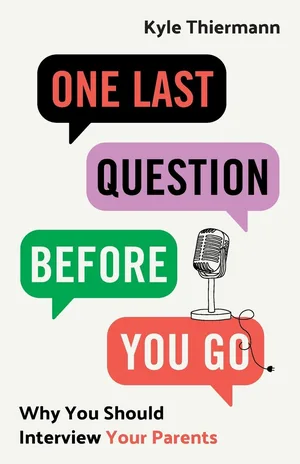
A physical book on a host's desk is harder to ignore than an email. Kyle Thiermann, a podcaster and author of One Last Question Before You Go, mailed about 150 personalized, signed books to influencers and podcast hosts around his launch. One copy went to Leanne Kreischer, which led to an appearance on her podcast and an invitation to Bert Kreischer's holiday party. He compared the 150 books to "prayer lanterns" and said all it takes is one (Kyle Thiermann's story).
Rachel A. Williamson, author of 30 Days to Running Great Stores, ships every book in a custom envelope with the full cover printed on the outside, so the recipient knows a book is coming before they open it. That packaging has drawn more podcast invitations (Rachel A. Williamson's story).
A short handwritten note helps: one line on why you sent it to this host in particular.
Follow up, and expect silence
Most pitches get no answer. That is normal and says little about you. Hadley Ott, author of Drug-Free Crohn's, reached about 15 podcasts, local TV in Nashville and two university talks with steady cold outreach. When a friend opened a door at Notre Dame, he used that name to pitch a hundred more schools, which led to Ole Miss. His point about outreach: people send three emails, hear nothing and quit, when the real ratio is closer to a hundred reaches for one yes (Hadley Ott's story).
A follow-up rhythm you can keep:
- One follow-up two weeks after the pitch, two sentences long, with a new angle or a recent episode you liked.
- If the book has arrived, mention it once.
- After that, move on and mark it "no reply." You can try again in six months with a new hook.
- Every yes becomes a name for the next pitch: "I was just on X talking about Y."
Prepare, then use every episode
Before the interview
Pick three stories from the book you can tell in two minutes each, and one practical idea a listener could use that day. Decide on a single place to send people: a free chapter, a checklist, your newsletter. Say the name of the book clearly once near the start and once at the end. Kyle Thiermann's chapter headings are written as interview questions, a format that can also hand a host ready-made questions (story).
After the episode airs
- Thank the host, and share the episode on the channel where your reader is.
- Send the episode to five prospects or clients it fits. An interview is a good reason to get in touch.
- Add a quote from the episode to your guest sheet for the next pitch.
- Log it in your scorecard (Lesson 10): which episodes led to messages, sign-ups or calls.
The authors named in this lesson are Scribe Media authors. Their results are strong, not typical, and no one can promise them.

Homework
Build a 30-show shortlist
Use the four sources above. Listen to two episodes of the top ten.
Write your pitch and guest sheet
Under 150 words for the pitch. One page for the sheet, posted on your site.
Send five pitches a week
Put it on your calendar. The Launch Plan Builder spaces this out from your launch date.
Mail ten signed copies
To the ten hosts you most want to reach, each with a one-line note.