Year two: keep the book working.
Most books go quiet a few months after launch, not because readers lose interest but because the author stops showing up. This lesson sets up the small habits that keep a book finding readers: an author newsletter, a year of content from the chapters, and an annual refresh.
What you will do after this lesson
- Set up an author newsletter rhythm you can keep for years.
- Map 52 weeks of posts from your chapters.
- Plan one yearly refresh of your Amazon page, and one new use for the book.
Small habits beat big pushes
Eddy Arriola, author of It's All About Relationships, did not chase an overnight bestseller. He committed to working the book for a hundred weeks, a little something every week (Eddy Arriola's story). That is the whole idea of this lesson.
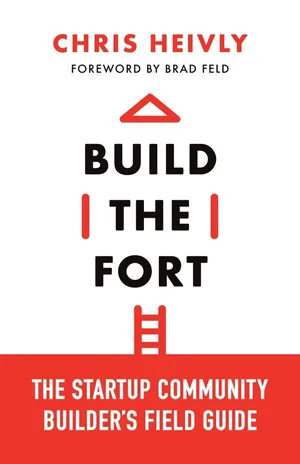
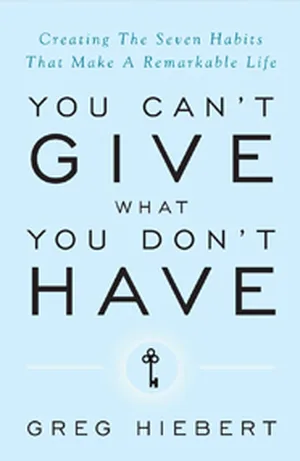
Books that keep working show it years later. Chris Heivly's Build the Fort is still bought in bulk by startup communities three years after launch, and he still speaks on it (story). Greg Hiebert's first book is in its third year as required reading in a leadership program he runs, and he says he gets a lot of royalty checks on it (story). Hiebert is also candid about his second book: he believes he could have sold more copies by being more deliberate about sales and marketing, and a suggestion to get it into his local bookstore is still on his list.
These are Scribe Media authors. Their results are strong, not typical, and no one can promise them.
The author newsletter
An email list is the one audience you own. Social platforms change what they show; your list stays yours. For a nonfiction author, a newsletter also keeps you in front of past clients, prospects and hosts without asking for anything.
Ron Thurston built an email list of several thousand people early and still uses it every week. Before Human Pride launched he emailed it every two or three weeks (story). Ari Meisel's email list grew from 8,000 people, built over seven years, to more than 11,000 after his book launched (story).
A format you can keep
Subject: the idea in plain words ("Why your best sellers run out first")
1. One idea (150 words). A single point from a chapter, rewritten for this month. End with the page or chapter it comes from.
2. One story (100 words). Something a reader, client or audience member told you. Get permission, or leave out names.
3. One thing to do. A question to reply to, a free tool, an episode you were on, or a talk you are giving.
Pick a rhythm you can keep: every two weeks is a good default for a busy author. Write four issues before you send the first, so a busy month does not break the streak. Add a sign-up link everywhere the book appears: your website, your email signature, the guest sheet you send to podcast hosts, and the signing table.
Readers will write back. Myra Evans says people who have read Start Where You Are reach out every week asking for help (story). Answer them. Those replies are your best source of stories for the next issue.
A year of content from your chapters
You already wrote a year of material. A ten-chapter book easily holds 52 posts. Map them once and you will never stare at a blank post again.
| From each chapter | Post types | Posts |
|---|---|---|
| The main idea | One post stating it plainly, one with an example from this year | 2 |
| The best story | The story told in under 200 words | 1 |
| A common mistake | "Most people do X. Here is what to do instead." | 1 |
| A reader question | A question you were asked about the chapter, and your answer | 1 |
| Ten chapters x 5 posts | 50, plus 2 for launch anniversary and year-end | |
Post where your reader is, which may not be where you are. Ron Thurston says he sells books on LinkedIn, not Instagram. He spends about thirty minutes a day there, seven days a week, writes his own posts, and answers every comment and message himself (story).
Say chapter 3 of your book is about setting reorder points. Week 1: "Your reorder point is probably set by the last person who panicked." Week 2: how one distributor this year found that 40 items drove most of its stockouts. Week 3: the story from the chapter about the warehouse that ran out of its best seller during its biggest order. Week 4: "Most teams raise safety stock on everything. Raise it on the 40 that matter." Week 5: a reader asked how often to review reorder points; your answer. All five end with the same line: "This is from chapter 3."
The yearly refresh
Once a year, around the launch anniversary, spend an afternoon on the book's public face:
- Keywords and description. KDP's keywords help page says you can change keywords and descriptions as often as you like. Replace any keyword that has not matched how people actually describe the problem.
- Categories. Check where similar new books sit. KDP's categories page says changes can take up to 72 hours to appear.
- Editorial Reviews and your author bio. Add new endorsements and update the bio through Author Central.
- Your guest sheet and speaker page. Add the year's talks and interviews.
The rules for each of these are in Lesson 3.
New uses for the same book
Year two is a good time to give the book a new job alongside the old one.
- A companion resource. Rachel A. Williamson wrote a 25-page implementation guide for readers, in two versions (story). Michael Erath's book points to downloadable tools and an AI companion he built (story).
- A community. Joy Lane is building a home online for her F College series where readers can post on a shared wall and receive a certificate when they enroll (story).
- An audiobook with a reason. MyLinh Shattan timed the audiobook of Raising Athena to the 50th anniversary of women at the federal service academies (story). Michael Erath re-recorded the audiobook of his memoir Rise in his own voice after hearing an actor read it (story).
- A program that uses it. Greg Hiebert makes his book required reading in the programs he leads (story).
- The next book. Mario Simonyan is planning a second book for a more advanced client than the first one served (story). Readers' questions are often the outline.
Homework
Write four newsletter issues
Use the template. Schedule the first; keep three in reserve.
Map your 52 weeks
Five posts per chapter, in a simple list with dates.
Book your refresh afternoon
Put it on your calendar for the launch anniversary.
Choose one new use
A guide, a program, an audiobook plan or the next book's outline. Start it this month.
The Launch Plan Builder gives you the dated plan through launch; add these year-two habits to the same calendar.