The author newsletter, for a book with a job to do.
For a novelist, a newsletter sells the next book. For a nonfiction author whose book exists to win clients, talks or standing in a field, it keeps you in front of the people who can hire you, book you or recommend you. This guide covers what to send, how often, how the book brings in the first 100 subscribers, a 12-issue starter plan built from your chapters, and the U.S. legal basics.
Where this fits. Lesson 9 has a two-minute issue template and explains why a list is the one audience you own. This guide goes further: who the list is for, where subscribers come from, and a plan for the first six months.
Who the newsletter is for
Write down the three or four kinds of people on the list, in order of what they can do for the book's job. For a consultant that might be past clients, current prospects, people who refer work and event organizers. For a speaker, organizers first. Each issue should be worth opening for the first group on your list. Everyone else benefits too.
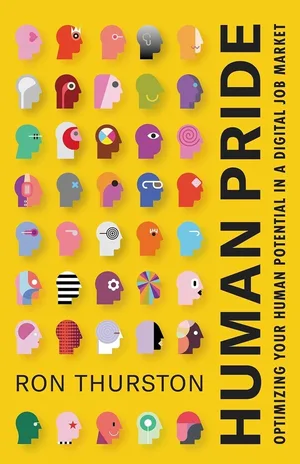
Scribe Media authors show how much a focused list can carry. Kirk Drake built an email list of 13,000 credit union executives after his book CU 2.0, alongside a Facebook group, and reports $50,000 a month in speaking and consulting revenue as a direct result of the book (story). Ari Meisel's list had grown to 8,000 people over seven years and passed 11,000 after his launch (story). Ron Thurston emailed a list of a few thousand people every two or three weeks before Human Pride came out, and still uses his list every week (story). These results are strong, not typical, and nobody can promise them. What they share is a list of people who care about one subject.
What to send
The book has already done the hard work: it holds your ideas, stories and answers in order. An issue takes one piece of it and makes it useful this month. Rotate through a few issue types so the newsletter does not become the same essay every time.
| Issue type | What it contains | Good for |
|---|---|---|
| The chapter idea | One idea from a chapter, applied to something happening now in your field | Authority, readers |
| The reader question | A question a reader, client or audience member asked, and your answer | Clients: it shows how you think about their problem |
| The case | A problem you helped with and what changed, with permission or with names removed | Clients |
| Behind the talk | What a room asked you last week, and the slide that got the biggest reaction | Speaking: organizers see you in action |
| The tool | A checklist, worksheet or template from the book, as a download | Readers, sign-ups from forwards |
| Where I will be | Upcoming talks, interviews and signings, plus one line on what you are booking next | Speaking |
Readers will supply a lot of it. Myra Evans says people who have read Start Where You Are reach out every week asking for help (story). Each of those messages, with permission or with the names taken out, is an issue. Dr. Monifa McKnight invites readers to subscribe on her site and sends guides tied to the leadership topics in her book (interview).
Give the ideas away in full. The Scribe Method's chapter on how much to give away makes the case for sharing your best insight: people respect experts who share it freely, and the ones who need help come to you because of it. A newsletter that holds back reads like an advertisement.
How often
Pick the rhythm you can keep for two years, then keep it. A list that hears from you on schedule remembers you. One that hears from you three times in launch month and then nothing for a year forgets who you are.
| Hours you have each month | Rhythm | Length |
|---|---|---|
| Two | Monthly | One idea and one link, about 300 words |
| Four | Every two weeks, the default for most busy authors | The two-minute format from Lesson 9 |
| Eight or more | Weekly | Short. Weekly works only if each issue is brief. |
Write four issues before you send the first, and keep two in reserve after that. The reserve is what saves the schedule when a client project takes over a month.
The first 100 subscribers, from the book
The book is the best sign-up form you will ever have: it reaches people who already chose to spend hours with your ideas. Give each of them a reason and a place to sign up.
A sign-up line in the back matter
One short paragraph after the conclusion or on the About the Author page, with a reason to join and a web address you control. The Scribe Method's chapter on outlining the conclusion recommends leaving the reader a clear next step, such as a free resource. Use a short address on your own site, such as yourname.com/guides, so you can change where it points without reprinting.
A chapter offer
On that page, offer something tied to the book: a worksheet for each chapter, a one-page summary, or a chapter you cut. The offer is the reason; the newsletter is what they get next.
Every event
A sign-up sheet at every signing, with a clear consent line (see the signing and launch event guide). Brandon Pipkin's team ends talks with a QR code that trades the free audiobook for an email address (interview).
Every interview
Name one place to go at the end of each podcast: the chapter guides page. Lesson 5 covers what to prepare.
The people you already know
Write personally to past clients, colleagues and early readers. One line: what the newsletter is, how often, and "Would you like it?" Add only the ones who say yes.
Your email signature and guest sheet
One line with the link. Thurston asked his LinkedIn audience for pre-readers and had several hundred requests (story). The same audience can be invited to the list.
Get the chapter guides. Each chapter in this book has a one-page worksheet that turns the idea into a plan for your team. They are free at yourname.com/guides. You will also get a short email from me every two weeks with one idea, one story from a reader, and one thing to try. Unsubscribe whenever you like.
A 12-issue starter plan
Twelve issues every two weeks covers about six months. This plan assumes a ten-chapter book; adjust the chapter numbers to yours. Every issue ends with the same small line: "This is from chapter X of [title]."
| Issue | Built from | Type | The one thing to do |
|---|---|---|---|
| 1 | The introduction | Why you wrote the book, and who it is for | Reply with your biggest problem in this area |
| 2 | Chapter 1 | The chapter idea | Download the chapter 1 worksheet |
| 3 | Replies to issue 1 | The reader question | Forward to one colleague who has this problem |
| 4 | Chapter 2 | The chapter's best story, retold | Try the one action from the chapter |
| 5 | Chapter 3 | The case | Book a call if this sounds like your team |
| 6 | Your calendar | Where I will be | Ask about a talk for your group |
| 7 | Chapter 4 | The common mistake, and what to do instead | Check your own numbers against it |
| 8 | Chapter 5 | The tool | Download and use the template |
| 9 | A recent talk | Behind the talk | Watch the clip |
| 10 | Chapter 6 | The chapter idea, applied to news in your field | Reply with how your team handles it |
| 11 | Chapter 7 | The reader question | Send a question for a future issue |
| 12 | Chapters 8 to 10 | Six months of lessons, in one page | Pick the chapter to reread; tell me which |
Say chapter 3 of your book is about running store visits that change behavior, and your reader is a retail district manager. Subject line: "The store visit that ended in the stockroom." 150 words on a district manager you worked with (name removed) whose visits felt like inspections, what she changed, and what her store managers said after. One paragraph on the habit from chapter 3. Then: "If your visits feel like this, reply and tell me how many stores you cover. I will send you the visit checklist we used." The replies are your sales conversations.
For posts on social media, Lesson 9 also maps 52 weeks of material from the same chapters; the newsletter and the posts can share the source.
The legal basics
In the United States, commercial email is governed by the CAN-SPAM Act. The Federal Trade Commission explains it in its CAN-SPAM compliance guide for business. The FTC's site was unavailable when this guide was checked on October 21, 2026, so the points below were read in the text of the law itself (15 U.S.C. 7704 and 7702). This is a summary, not legal advice.
- What it covers. A commercial message is one whose primary purpose is advertising or promoting a commercial product or service. An issue that offers your consulting, a workshop or the book for sale can count.
- No misleading subject lines or misleading sender and header details.
- A way to opt out in every message, clearly shown, that keeps working for at least 30 days after you send.
- Honor opt-outs within 10 business days. If you use an email service, check that it removes people who opt out. If you also email from your own inbox, remove them there too.
- Your valid physical postal address in every commercial message.
- Identify it as an advertisement, unless the recipient gave prior affirmative consent, meaning they expressly agreed to receive your messages. A clear sign-up is one more reason to ask first.
The law does not require you to get permission before emailing someone in the U.S., but other countries' rules can be stricter, so check them if your list reaches abroad. Either way, asking is better practice: people who asked to hear from you open the email and reply to it.
What to count
Do not judge the newsletter by subscriber count alone. For a book whose job is clients or talks, count what the list produces: replies, calls booked, invitations to speak, introductions, and clients who mention an issue. Add those to the scorecard in Lesson 10. A list of 200 that produces a client every quarter is doing its job.
Not sure what the book's job is yet? Start with Lesson 1. Looking for more ways to reach readers? See 38 book promotion ideas.
Put the first issue on a date
The Launch Plan Builder lays out your launch as dated tasks. Add the newsletter's first send to the same calendar.
Sources, read October 21, 2026: FTC: CAN-SPAM Act, a compliance guide for business (site unavailable that day); 15 U.S.C. 7704, requirements for commercial email; 15 U.S.C. 7702, definitions.