Book signing events and launch parties that lead somewhere.
A signing is one evening. What it leads to can last years: a client from the line, a talk booked by someone in the third row, fifty new subscribers who asked to hear from you. This guide plans the night around that outcome, from the venue and how the books get there to the table, the sign-up sheet and the follow-up.
Where this fits. Lesson 6 sets out launch week as a whole and why one event is enough. Lesson 8 covers the signing table after a paid talk. This guide is the event itself, in detail.
Decide what the night is for
A launch party can be a celebration and still have a purpose. Decide what should be different the morning after, and pick one outcome. It decides who you invite, what you say from the front and what sits on the table.
| If the night is for | Invite | The one ask | Count the next day |
|---|---|---|---|
| Clients | Past clients, warm prospects, people who refer work | "If this is your problem, I would like to hear about it. Leave me your card." | Conversations booked |
| Speaking | People who run events, associations, company meetings and programs | "I give a version of tonight's talk to teams. Ask me about it." | Invitations and introductions |
| Readers and reach | Friends, colleagues, local groups who share the topic | "Sign up and I will send you the chapter guides." | Sign-ups and copies sold |
Two Scribe Media launches show why the guest list matters. Mike Brunel's launch party at a cafe in New Zealand drew more than 150 friends and family. Two of them worked in real estate, each bought fifty copies, and then invited him to give a series of talks (story). Rachel A. Williamson was signing books after a keynote at Ohio State, with a couple hundred copies pre-bought by the host, when the CEO of a retail brand walked to the front of the line, handed her his card and said he needed to hire her. His assistant called two days later (story). Both came from who was in the room, not its size.
These are Scribe Media authors. Their results are strong, not typical, and nobody can promise them.
Pick the venue
The best rooms in Scribe's author stories have personal meaning and an audience that already exists. A bookstore is one option, and for a book whose job is clients it is often not the best one.
| Venue | Good for | Who sells the books | Example |
|---|---|---|---|
| An independent bookstore you love | Readers, local standing, a room with meaning | Usually the store | Eddy Arriola emailed the owner of Books & Books in Miami, a friend he had made over years as a customer. 175 seats went within an hour (story). |
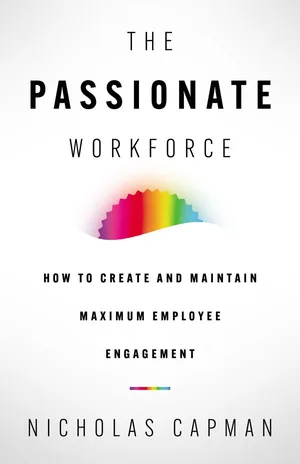
| A chain bookstore near you | Readers, a local first event | The store | Nicholas Capman walked into his local Barnes & Noble and asked. About 60 people came, about 60 books went out (story). |
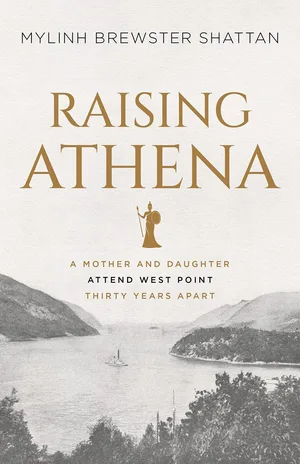
| A community or association gathering | Speaking, a ready-made audience | You, or the host | MyLinh Shattan launched Raising Athena at West Point during the reunion for the 50th anniversary of women at the academy, to 500 returning alumni (story). |
| A partner's or sponsor's space | Clients and reach through someone else's customers | You, or the partner | Kyle Thiermann held launch events at a partner brand's LA space and four Patagonia stores (story). Ron Thurston's sponsored tour included signings in sponsors' booths at trade shows (story). |
| An event a reader hosts | Readers, speaking | You | A reader inspired by Myra Evans's Start Where You Are booked a room for an International Women's Day event. Myra helped organize it, and 100 people came (story). |
| A cafe, restaurant or home | Friends and family, first buyers | You | Mike Brunel's cafe launch, above. |
Say you are an operations consultant and your book is for plant managers. A client who runs three plants offers its training room for an evening. You invite their managers and ask the client to invite two peer companies. You sell nothing at the door: the client buys a copy for each attendee, you give a 15 minute talk from chapter 4, and the ask is "If your plant has this problem, I will come and look at it." Every one of the 40 people there is someone you would want a meeting with.
How the books get there
Settle this the week you book the venue: it decides who handles money and what happens to unsold copies.
1. The store orders and sells
At a bookstore event the store usually orders copies through its normal suppliers and runs the till. IngramSpark's guidance on selling to bookstores says "the book industry is a returnable industry," recommends a 55% wholesale discount so the store keeps a 40% margin, and notes that most stores start by ordering only one or two copies for the shelf. An event is the moment a store will order more. If your book is self-published and set as returnable, IngramSpark's page on returns says unsold copies the store sends back are charged to you at the wholesale cost, and having them shipped to you costs $3.00 a book in the U.S. Ask the store two questions: how many will you order, and what happens to the copies left over? Offer to sign the leftovers as stock. With a publisher, ask the publisher how stores should order for your event.
2. Consignment
On consignment you supply the copies and the store pays you a share of each one it sells. Terms are set store by store and are often written on the store's website. Two examples, read on their own pages on October 21, 2026:
- Blue Willow Bookshop in Houston charges a $25 administrative fee, pays 60% of the price when a consigned title sells, and displays it for up to three months. Its consignment page also says it seldom hosts events for self- or indie-published authors.
- Rediscovered Books in Idaho offers 50/50 terms with a $35 fee. Its authors page lists a $65 deposit for a signing table, refunded if you sell at least 10 books, and a $100 deposit for an in-store event, which requires 30 attendees and 10 books sold before $50 comes back.
Consignment also works away from home. Erik Huberman keeps a box of books in his car. When the Milken Global Summit bookstore ignored his email, he asked in person the next year, brought in 36 copies from his trunk, and the store sold them on consignment (interview).
3. You sell them yourself
At an office, a reunion, a cafe or a sponsor's booth, the books are usually your own author copies. Shattan's West Point night shows what to plan for: people walked away because she could not sign for all of them, and she has said she did not know how to charge. Decide a round price, bring a card reader and a helper to run it, and check your state's sales tax rules for selling in person. If you publish yourself, the self-publishing guide shows what an author copy costs you.
A run-of-show
A run-of-show is the minute-by-minute plan for the evening. Send it to the host and your helper a week ahead.
| Time | What happens | Who |
|---|---|---|
| 0:00 | Doors open. Helper at the table; you greet people at the door. | You, helper |
| 0:20 | Welcome from the host, and one sentence on why this room matters to you. | Host |
| 0:25 | The talk: one story from the book, one idea, one thing to try this week. Fifteen minutes. The shape is in Lesson 8. | You |
| 0:40 | A conversation or questions. A guest interviewer helps. Arriola's fireside chat partner was his high school history teacher, who drove in from Macon, Georgia. | You, guest |
| 0:55 | The one ask, from the table above. Say it once, plainly. | You |
| 1:00 | Signing. Helper keeps the line moving and writes each name on a sticky note so you spell it right. | You, helper |
| 1:30 | Photos with the host. Thank the staff by name. | You |
What to have on the table
- Books, and a backup box in the car.
- A price and a way to pay, if you are selling: a card reader, change, and a small sign with the price.
- A helper. Someone else handles money and the line so you can talk to each person.
- Pens that work, and sticky notes for name spellings.
- The sign-up sheet or QR code with a consent line (next section).
- Cards for people who cannot wait. Williamson's CEO did not wait in line. He left a card. Make it as easy to leave one with you.
- A line about bulk orders. "Copies for your team? Ask me." Readers buy in numbers: one of Arriola's readers bought seven signed copies for his grandchildren, and a donor ordered fifty personalized copies for a lacrosse team.
- Something that looks like you meant it. Capman's Barnes & Noble table had balloons and a poster. Williamson ships event orders as a branded kit with stickers, a keychain bookmark and a journal (story).
Collect emails with consent
Amazon does not tell you who bought your book. At the signing table buyers stand in front of you, so ask clearly whether they want to hear from you again.
Want the chapter guides? Leave your email and I will send a short note every two weeks: one idea from the book, one story, one thing to try. Unsubscribe from any email in one click.
Columns: Name | Email | Company (optional) | "Yes, email me" tick box
- Say what they will get and how often.
- Keep the raffle separate. A business card dropped in a prize bowl is not a request to join your newsletter. Ask them on the sheet, or email them once and ask. The book giveaway guide covers the rules for a draw.
- Offer something worth an email. Brandon Pipkin's team ends talks with a QR code that gives the audience the audiobook free in exchange for an email address, because Amazon buyers are invisible to the author (interview).
The rules for what you then send, and how to start the newsletter itself, are in the author newsletter guide.
The 48 hours after
Email everyone who signed up
A thank-you, one photo, and the chapter guide or link you promised. This is the second launch email in Lesson 6.
Write to the people the night was for
A personal note to each prospect or organizer you met: what they said, and a suggested next step.
Thank the host in public
Tag the store or host in a post with a photo. Stores remember authors who bring people in.
Log what happened
Copies sold, sign-ups, conversations, invitations. Add them to your scorecard.
Checklist, week by week
| When | Do this |
|---|---|
| Eight weeks before | Pick the night's one outcome. Ask your first-choice venue. Settle how books get there: store order, consignment or your own copies. |
| Six weeks before | Confirm date and room size in writing. Write the guest list by name, starting with the people the outcome needs. Order author copies if you are selling. |
| Four weeks before | Send invitations with a reply link. Ask a guest interviewer. Draft the talk from one chapter. |
| Two weeks before | Personal follow-up to the ten guests who matter most. Confirm the store's order quantity. Write the run-of-show and the sign-up sheet. |
| Event week | Reminder email. Practice the talk twice. Pack the table kit. Brief your helper. |
| Event day | Arrive an hour early and test the card reader. |
| The week after | The four steps above, then add the next event to your calendar. |
More event and bookstore ideas, with the authors who used them, are in 38 book promotion ideas.
Put the event on a real calendar
Enter your launch date, the book's job and weekly hours, and the Launch Plan Builder dates every task, the event included.
Sources, read October 21, 2026: IngramSpark: How to sell your book to bookstores; IngramSpark: Making your book returnable; Blue Willow Bookshop: Consignments FAQ; Rediscovered Books: Authors. Store terms change; check the store's own page before you plan.