How to run a book giveaway that reaches the right readers.
A book giveaway is only as good as the people who end up holding the book. This guide covers four ways a nonfiction author can give books away: Goodreads giveaways, draws at events, offers to a newsletter list and copies sent to chosen prospects. It sets out the current Goodreads rules, the legal basics and what to count afterward.
About the sources. The Goodreads details below were read on Goodreads' own giveaway pages, and the legal points on the Federal Trade Commission's site, on October 21, 2026. Both change. Check them again before you list a giveaway. This guide is a summary, not legal advice.
Pick the giveaway by the book's job
Every nonfiction book has a job: win clients, earn speaking invitations, or reach readers (Lesson 1 explains how to name it). A giveaway open to anyone finds readers who like free books. A giveaway aimed at a named list finds the people who can hire you. Choose the format that matches the job.
| Format | Who it reaches | Best for | You learn who got the book? |
|---|---|---|---|
| Goodreads giveaway | Strangers who read in your category, in the U.S. (and Canada for print) | Readers, early attention before launch | Print: Goodreads sends you winners' addresses. Kindle: Goodreads delivers the book |
| Draw at a talk or signing | The people in the room | Talks, local readers | Yes, if you collect entries yourself |
| Newsletter draw | People who already chose to hear from you | Readers and clients, word of mouth | Yes |
| Copies sent to chosen prospects | A list you picked by name | Clients, bulk orders, invitations | Yes, every one |
The last row is not a contest: nobody enters and you choose who gets a book. For a client book, it usually deserves most of the giveaway budget.
Goodreads giveaways, current rules
Goodreads, the book site where readers track what they read and want to read, runs giveaways for authors and publishers. Here is what its own pages said on October 21, 2026.
| Kindle giveaway | Print giveaway | |
|---|---|---|
| Who can list one | Publishers and self-published authors who use Kindle Direct Publishing (KDP), with the KDP account connected | All publishers and authors |
| Copies | Up to 100 | Described as suited to a small number of copies |
| Delivery | Goodreads delivers the ebook to winners | Goodreads sends you the winners' addresses and you mail the books within two weeks, at your cost |
| Who can enter | Residents of the 50 U.S. states and D.C., aged 18 or the age of majority, whichever is older, with a U.S. address | Residents of the 50 U.S. states, D.C. and Canada who are the age of majority |
| Before publication? | Yes, if the book (an advance copy or the final one) is already in the Kindle Store and listed on Goodreads | Not stated on the page |
Goodreads offers two packages. Standard puts the giveaway on the book's page and in the Giveaways section, and Goodreads emails your followers and readers who have marked the book Want to Read. Premium adds a premium listing in the Giveaways section and a personalized email to everyone who does not win. Goodreads charges for both; the price appears when you set one up, so check it there rather than trusting an old blog post.
To enter, a reader must mark your book Want to Read, and it must stay on that shelf until the giveaway ends. And Goodreads says people who mark a book Want to Read are told about its future giveaways. So a giveaway puts your book on many readers' shelves, not only the winners'. The terms also allow one entry per person and household, and winners are picked at random.
What it did for two Scribe authors
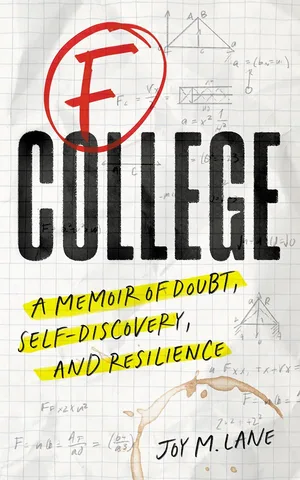
Joy Lane's memoir F College had a 100-copy Goodreads giveaway ahead of launch. She had not told her friends about the book, and 240 people had signed up (Joy Lane's story). Ron Thurston ran a 100-copy Goodreads giveaway on launch day for Human Pride, and close to 500 people entered (Ron Thurston's story).
Run a Goodreads giveaway if your reader is a person who browses for books to read: a memoir, a self-help book, a general business book. Skip it, or keep it small, if your reader is a handful of decision-makers in one industry. Most Goodreads entrants will not be them, and those copies do more good mailed to a named list.
Sources, read October 21, 2026: Goodreads: list a giveaway; Goodreads: about giveaways; Goodreads: giveaway terms.
Giveaways and Amazon reviews
Many authors run a giveaway hoping for reviews. Amazon allows free copies, but KDP says you must not require a review in exchange or try to influence it, and that offering anything beyond the free or discounted copy invalidates a review. So never write "enter to win, then leave a review," never make a review a condition of a future prize, and never add a gift card for reviewers.
The full rules, including friends, family and review swaps, are in Lesson 4: early readers and honest reviews. Read it before you write any giveaway copy.
Source, read October 21, 2026: KDP: Customer reviews.
Giveaways at events
A draw at a talk or a signing gives the room a reason to leave contact details. Three rules keep it useful:
- Keep entry free. Anyone in the room can enter, whether they buy a book or not.
- Keep the draw separate from your newsletter. A card dropped in a bowl to win a book is not a request for your emails. Add a tick box for that, as the signing and launch event guide shows.
- Make the prize fit the job. A signed copy plus a working session suits a client book; a set of copies for the winner's team suits a book you want read inside companies.
Brandon Pipkin's firm counts event giveaways as part of its plan to give Rock Your Business away, and it ends talks with a QR code that gives the audience the audiobook free in exchange for an email address, because Amazon does not tell an author who bought the book (interview). The surest giveaway at a talk is a copy in every seat, paid for by the host. Lesson 8 shows how to ask for that.
Giveaways to your newsletter list
Your subscribers already chose to hear from you, so a giveaway here costs little and lands with the right people. Two formats work.
A draw for signed copies
Offer five signed copies and ask subscribers to reply with one sentence on what they are working on. The replies tell you what readers want next.
A copy for their colleague
Ask subscribers to name one person who should read the book, and send that person a copy with a note saying who suggested it. Only send to a person the subscriber has said is happy to receive it.
Say you wrote a book for clinic owners and have 600 subscribers. You offer five signed copies by reply. Thirty-one people reply, and nine of them describe a problem your consulting work solves. You send the five copies, then write to all 31 to thank them. The nine replies are worth more than the five books.
How to build the list in the first place, and the CAN-SPAM rules for what you send, are in the author newsletter guide.
Giving books to prospects
For a book whose job is clients, the most effective giveaway is often a plain gift to people you chose. Scribe authors have done it in four ways.
- A short list of key people. Brandon Pipkin's firm listed about 100 high-value people in its network and sent each a copy with a handwritten note (interview).
- An open offer to the right buyer. Richard Shaull runs outbound campaigns to his ideal buyer offering to ship the book free, and counts qualified copies placed, not copies sold. He set a goal for copies in readers' hands over the first one to two years, with giveaways as one channel (interview).
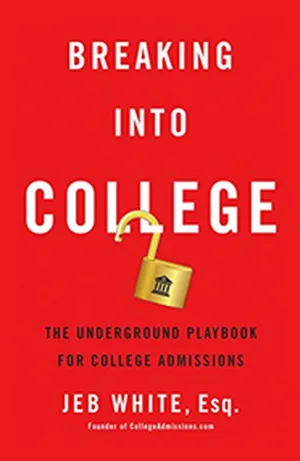
- The book as the first offer. Jeb White gave away thousands of copies of Breaking Into College as a front-end offer for his online courses, and more than 700 students went through a course in the first year (story).
- A thank-you to clients. Deb Gabor sent copies to clients, prospects and people she wanted to talk with, and offered clients free copies as thanks for their business (story).
The sending method, the cost math and the tracker columns are in Lesson 7: the book as a sales tool. Honor every request to stop, and do not keep mailing people who did not ask.
These are Scribe Media authors. Their results are strong, not typical, and nobody can promise them.
The legal basics
A giveaway where winners are picked by chance is a sweepstakes, and sweepstakes law differs by country and, in the U.S., by state. Three points come straight from the FTC.
- No purchase to enter or win. The FTC's guide to the Telemarketing Sales Rule says a legitimate prize promotion "does not require any purchase or payment of money" to take part or win. If payment is required, it is a lottery, "which is generally unlawful under federal and state lottery laws." So "buy the book to enter" is out.
- Entries that are posts need a clear label. If people enter by posting about your book, the FTC's endorsement guidance says the post should show it was a contest entry. A hashtag with the word "contest" or "sweepstakes" in it should work; "sweeps" alone probably does not, and a bare #sweepstakes may not be clear enough either.
- On Goodreads you are the sponsor. Goodreads' terms name the author or publisher offering the books as the sponsor, not Goodreads, and the sponsor fulfills the prizes. Ship what you promised, on time.
Beyond that, write short official rules for any giveaway you run yourself: who can enter, the dates, the prize, how the winner is chosen and how you will contact them. Then check the rules where you live, and where your entrants live, or ask a lawyer before a large or public one.
Sources, read October 21, 2026: FTC: Complying with the Telemarketing Sales Rule (prize promotions); FTC: Endorsement Guides, what people are asking (social media contests); Goodreads: giveaway terms.
How to measure it
Before it starts, write down the one number that would tell you it worked.
| Giveaway | Count this | When |
|---|---|---|
| Goodreads | Entries, and the change in Want to Read count from start to end | The day it ends |
| Goodreads | Ratings and reviews on Goodreads and Amazon | Two to three months after it ends |
| Event draw | Entries, and how many ticked "yes, email me" | That night |
| Newsletter draw | Replies, and replies that describe a problem you solve | One week after |
| Copies to prospects | Conversations, meetings and clients traced to a named copy | Monthly, for a year |
Log every copy you give, with name, date and reason, so a client who arrives months later can be traced back. Ask every new lead "Have you read the book?" Lesson 10: what to measure has the full scorecard. Put the giveaway on your one-page plan.
Put your giveaway on the calendar
Enter your launch date, the book's job and your weekly hours, and get a week-by-week plan with the giveaway in its place.