28 book launch ideas, from two weeks out to a month after.
Launch is a window of about six weeks: two before launch day, the day itself, the week after and the month that follows. These ideas belong to that window. Each one says when to do it, what it costs and which job it serves: clients, talks or readers. Where a Scribe Media author did it, the story is linked.
How this page differs from its neighbors. Lesson 6 gives launch week day by day, with one event and three emails. The 38 book promotion ideas work at any time. This list is only for the six weeks around launch day. Pick three or four, then put them on real dates with the Launch Plan Builder.
Pick by day range and job
Free means your time only. Copies means author copies and postage for a few dozen books. Bigger means travel, an event budget, paid help or books by the hundred. Numbers in the table are ideas below.
| When | Clients | Speaking | Readers |
|---|---|---|---|
| Two weeks before | 1, 2, 3, 4, 7 | 1, 4, 6, 8 | 1, 2, 5, 6, 7, 8 |
| Launch day | 9, 12, 14 | 12 | 9, 10, 11, 12, 13, 15 |
| Launch week | 18 | 16, 19, 20 | 16, 17, 19, 20 |
| The month after | 23, 25, 26, 27, 28 | 21, 22, 24, 27, 28 | 22, 23, 25, 28 |
The authors named are Scribe Media authors. Their results are strong, not typical, and nobody can promise them.
Two weeks before launch
In depth: Lesson 3 for the Amazon page, Lesson 4 for early readers and Lesson 5 for interviews.
1. Write down the one number launch will be judged by
Free. All jobs. Before launch, Jonathan Levi's team set a goal of 10,000 copies (story). Brian Reese's team aimed for 1,000 copies in the first week and sold over 5,000 (story). For a client book, the number might be ten conversations booked instead.
2. Turn every business card into the launch list
Free. Clients and readers. By launch day Robin Farmanfarmaian had gathered every business card she had ever been given into one contact list, plus a list of media contacts. Her network bought the book and shared it (story).
3. Put the publication date on your resume and bio
Free. Clients. Julie Newman listed her book's expected publication date on her resume before it came out. She says it was one of the most popular lines on it, and her next move came with a salary jump of over $60,000 (story).
4. Double the free-copy list, then choose it on purpose
Copies. Clients and speaking. Rachel A. Williamson takes the reviewer list Scribe asks for and doubles it, then mails free copies to people she chose for a reason. Those copies led to a speaking booking and a consulting client (story).
5. Give early readers the date and the rules
Free. Readers. Send one short note: the launch date, where the link will be, and that a review is welcome but never required. Ron Thurston chose about a hundred pre-readers from his LinkedIn audience and had about 20 reviews on day one (story). Amazon's review rules are in Lesson 4.
6. Ask hosts to air their episodes in launch week
Free. Readers and speaking. Interviews recorded months ago can all come out together. Kyle Thiermann coordinated about a dozen podcast interviews and newspaper articles for his launch week (story).
7. Tie launch week to a date your reader already cares about
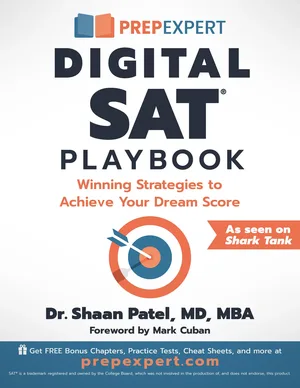
Free. Clients and readers. Shaan Patel timed his SAT book's launch to the week before the test went fully digital, the biggest format change to the test in a decade, when parents and students were already paying attention (story).
8. Put up a press page
Free. Speaking and readers. One page on your site with the cover, a photo, a short bio, three interview topics and a release, so a host or organizer can say yes without waiting for you. The book press release guide has a template.
Launch day
In depth: Lesson 6, launch week, and the book giveaway guide.
9. Teach a free online class with the book as the takeaway
Free to run. Clients and readers. Shaan Patel hosted a free live online event built on previews of the book. Roughly 10,000 parents and students registered and over 1,000 bought the book during the event. His company had its highest one-week revenue in its history (story).
10. Match every launch-week sale with a donated copy
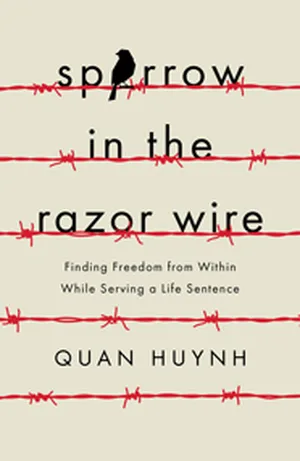
Bigger. Readers. Pick readers who cannot easily buy the book, and confirm the receiving organization will accept copies before you announce it. Quan Huynh's launch team set up a one-for-one program for his first week, and he donated 1,326 books to prisons (story).
11. Open a Goodreads giveaway that morning
Copies. Readers. Ron Thurston ran a 100-copy Goodreads giveaway on launch day for Human Pride (story). Goodreads' current rules are in the giveaway guide.
12. Change every profile before you send anything
Free. All jobs. Your LinkedIn headline, email signature, website header and speaker bio should say "author of" with the title and a link, because launch-day readers will look you up.
13. Send each early reader the live link and a thank-you
Free. Readers. One personal line each, with the link. Ask for nothing else in this note.
14. Launch in your own office
Free. Clients. Clients see where you work, and you need no venue. Mary Hagerman first launched The Black Belt Investor to nearly 100 people, family and friends among them, in her office in Montreal (story).
15. Celebrate with the people closest to you
Free. Readers. Patty Beach marked the launch of The Art of Alignment with a party for the people she is closest to, so the finished book was celebrated whatever the reviews said (story).
Launch week
In depth: the book signing and launch event guide and Lesson 5.
16. Launch inside an event your reader already attends
Bigger. Speaking and readers. Chris Denson wanted Crushing the Box launched at SXSW, and held a launch event there with Michigan House, linked to his alma mater (story).
17. Hold events in a partner's stores
Bigger. Readers. Kyle Thiermann held launch-week events at a partner brand's LA space and four Patagonia stores (story). A brand that shares your reader brings the room.
18. Drop copies at the offices that refer to you
Copies. Clients. When The Plantar Fasciitis Plan came out, Colin Dombroski dropped copies at physicians' offices, and their patients later came to his clinic. One doctor who bought copies invited him to speak to his patients (story).
19. Read every review and keep the readers' words
Free. Readers and speaking. In Tommy Short's launch week, Eric Jorgenson of Scribe read every review and said the book had "struck a chord" (story). Copy the phrases readers use into a file. They become talk titles and pitch lines.
20. Bring in PR help for a set period
Bigger. Readers and speaking. Robin Farmanfarmaian hired a PR firm for the first three months after launch, for articles, profiles and podcast spots, and found she did not need one after that (story). The promotion services guide covers what to ask first.
The month after
In depth: Lesson 7, the book as a sales tool, Lesson 8, speaking, and Lesson 10, what to measure.
21. Pitch paid talks while the book is new
Free. Speaking. Within the first month of Immersion's release, Paul Zak booked more paid corporate talks than the book had cost him (story).
22. Say yes to the rooms the book was written for
Free. Speaking and readers. Within weeks of launch, Tommy Short had spoken at one of the largest churches in America and at a prison (story).
23. Ask the one institution that could adopt the book
Copies. Readers and clients. S. Gale Bleth wants her personal safety book in every college freshman's hands, and friends at her old university are setting up the conversation about putting it in the new-student welcome package (story). Quan Huynh sent one copy to the head librarian of California's prison system, and the book was approved for its libraries (story).
24. Sign at a conference bookstore
Bigger. Speaking. Less than a month after his book launched, Tofe Evans was signing books at SXSW next to Ray Dalio (story). Ask the event's bookseller early.
25. Re-pitch the show you have always wanted
Free. Readers and clients. A few weeks after Virtual Culture launched, Bryan Miles was interviewed on Building a StoryBrand, which started a wave of media (story). After his launch, Jonathan Levi was invited onto a podcast he had been trying to get on for years (story).
26. Get into the next issue of your alumni newsletter
Free. Clients. A couple of weeks after launch, a CEO read about Candler Cook's book in a fraternity alumni newsletter and asked for an introduction. That lunch led to a job with him (story).
27. Ask your next host to put a book on every seat
Free to ask. Speaking and clients. Six weeks after Rachel A. Williamson's launch, the host of her Ohio State keynote pre-bought a couple hundred books for attendees. A retail CEO left his card in the signing line, and his assistant emailed two days later about a consulting engagement (story).
28. Hold a day-30 review against your number
Free. All jobs. Compare what happened with idea 1. Count invitations, conversations and copies placed, keep the two ideas that worked, and carry them into the first year.

Put your picks on real dates
Enter your launch date, the book's job and your weekly hours for a week-by-week plan.